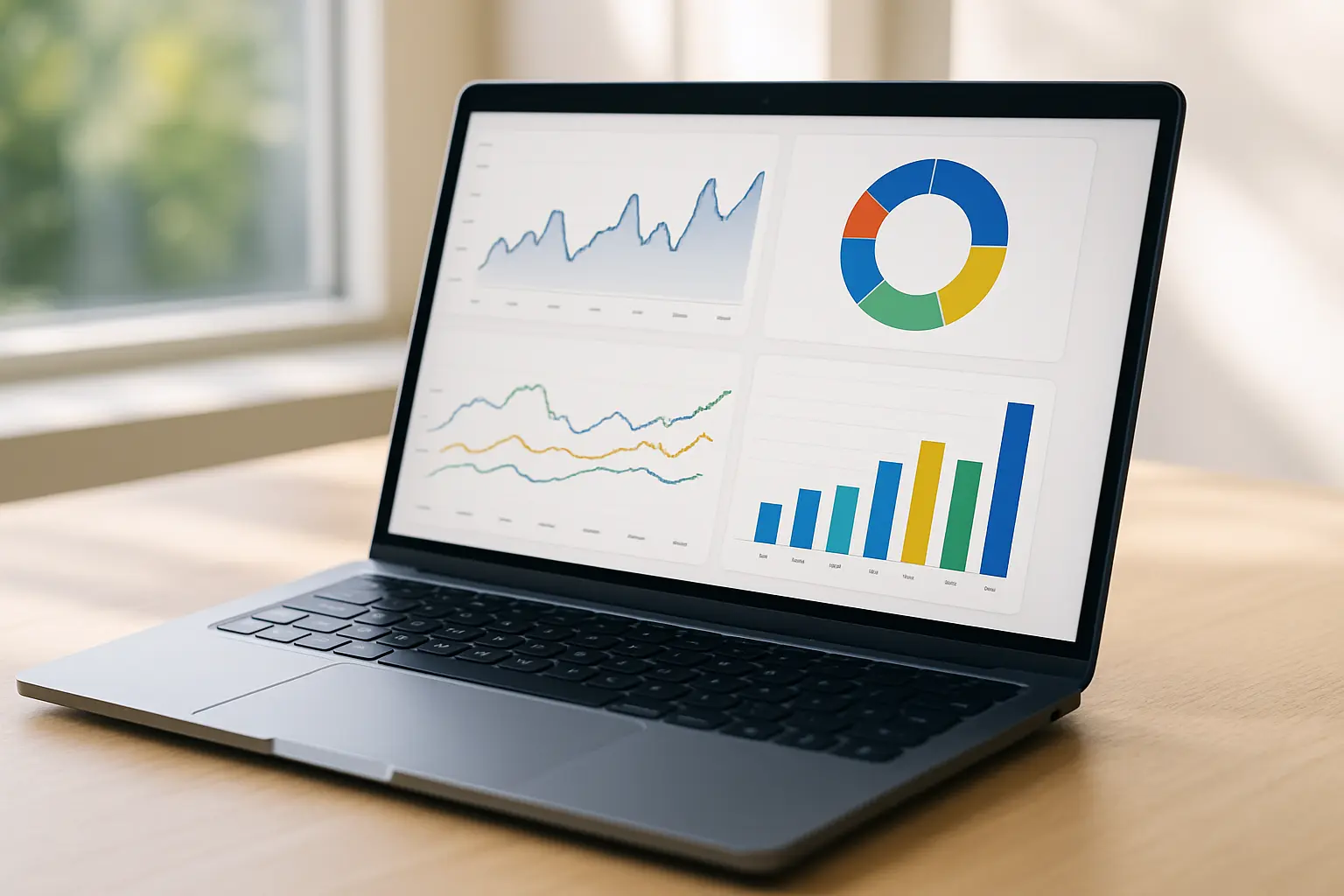
If you want to improve your website’s visibility, you need to monitor SEO progress and quickly spot ranking changes. This article will guide you through the exact steps needed—from gathering the right SEO tools to analyzing ranking data—so you can track your site’s growth and react to shifts efficiently.
In this article:
- Key takeaways
- Step 1: Gather the Tools You Need
- Step 2: Set Up Your SEO Dashboard and Metrics
- Step 3: Track SEO Changes and Monitor Keyword Rankings
- Step 4: Analyze Results and Respond to SEO Insights
- Frequently Asked Questions
- Conclusion
With advanced tools like Nokofy, which automates the entire SEO process including keyword research, content creation, technical audits, and position tracking, even small businesses and agencies can stay ahead in search results. Get practical advice on setting up dashboards, tracking keywords, and using actionable checklists to turn insights into better rankings.
Key takeaways
- Consistent monitoring of SEO progress is essential for maintaining and improving search visibility.
- An effective SEO dashboard centralizes key metrics and simplifies tracking.
- Automated tools like Nokofy streamline keyword ranking monitoring and provide actionable insights.
- Acting on data-driven SEO insights leads to better website performance and higher rankings.
Step 1: Gather the Tools You Need
Begin your journey to effectively monitor SEO progress by gathering the right tools designed for automation and insight. The goal is to set up a system that not only tracks SEO changes but also presents your data clearly, allowing you to make informed decisions. Follow these steps to ensure you don’t miss any critical metrics:
- Choose an all-in-one SEO tracking platform. Opt for a comprehensive solution like Nokofy, which uses AI to automate keyword research, content optimization, technical audits, and rank monitoring. With Nokofy, you avoid the hassle of juggling multiple tools and instead manage everything from a single account.
- Integrate foundational analytics platforms. Prepare access to Google Analytics and Google Search Console. These free tools help you track organic search traffic, user behavior, and technical site health. Combine their insights with specialized SEO software for a holistic view.
- Set up a unified SEO dashboard. Your platform should consolidate data like keyword rankings, traffic trends, technical issues, and content performance. Nokofy’s dashboard, for example, displays real-time changes in keyword positions, site health status, and actionable checklists—all tailored for your local market and language.
- Ensure easy access and user management. If you work in a team or agency, make sure your tool allows for collaborative features, so everyone can monitor keyword rankings and SEO changes without bottlenecks.
Once this step is successful, you’ll see a unified SEO dashboard showing current keyword rankings, traffic metrics, technical audit results, and automated suggestions for improvement. The platform should update automatically, allowing you to react promptly to ranking changes and focus on growth rather than manual tracking.
Step 2: Set Up Your SEO Dashboard and Metrics
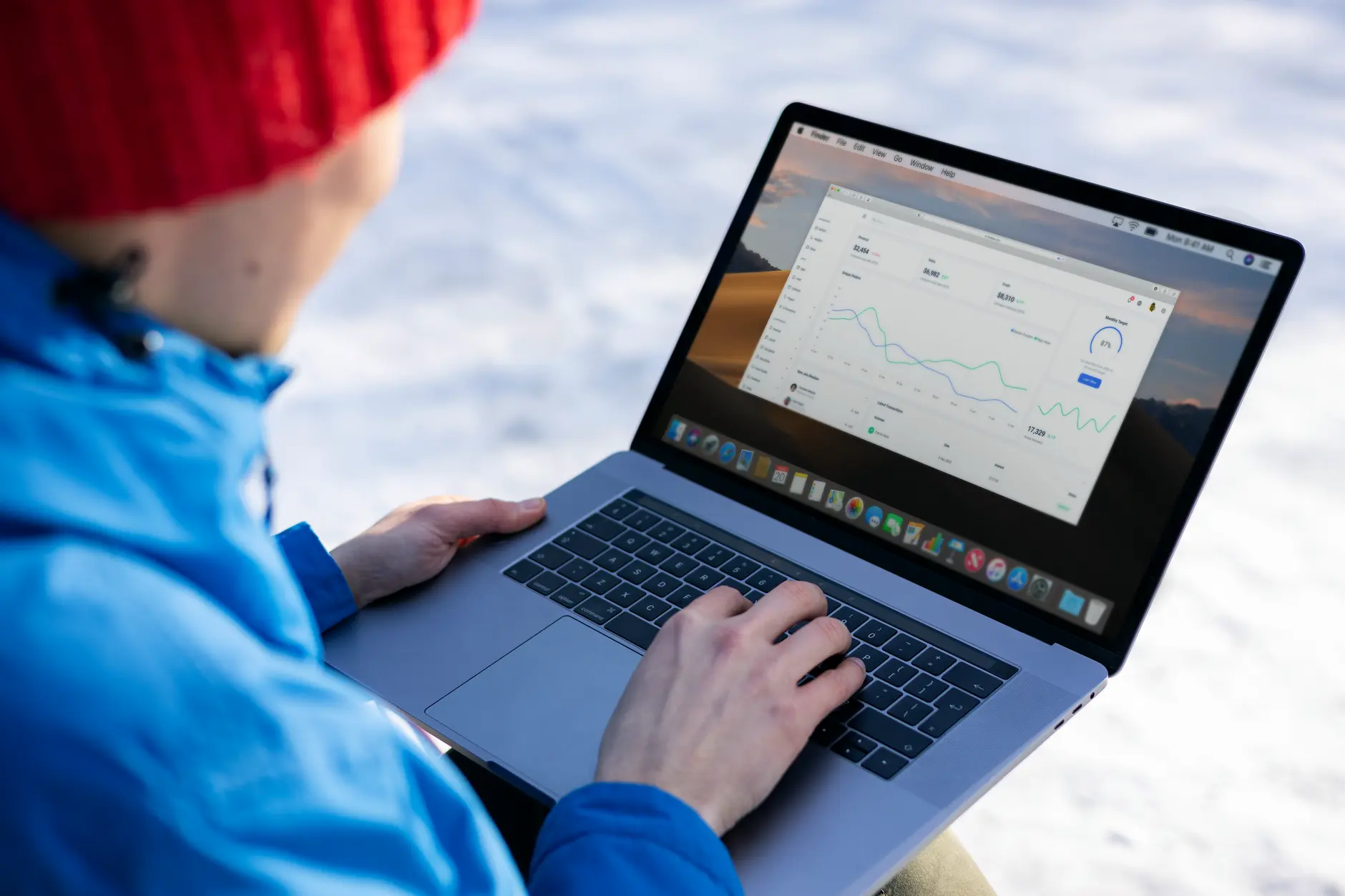
Start by building an SEO dashboard that brings all your critical data into focus. The goal is to easily monitor SEO progress and see at a glance how your site is performing. Use a platform like Nokofy, which automates dashboard setup and connects research, content, audit, and rank tracking in one view. Here’s how to set up your dashboard and metrics:
- Choose key metrics to display. Prioritize metrics that impact your business, such as:
- Current keyword rankings (especially for your top target keywords)
- Organic traffic by page and landing page
- Performance of newly published articles
- Technical health (site quality score, crawl errors)
- Conversion rate from organic visits
- Select primary keywords and pages to monitor. Base your selection on your business goals:
- If you’re launching a new product, monitor its dedicated page and related keywords
- For e-commerce, track keywords tied to high-margin products
- Use Nokofy’s keyword and Google question research tool to find and add relevant terms with search volume and CPC
- Set up automated tracking and actionable insights. With Nokofy, dashboards update automatically as your content is published, rankings shift, and technical audits are completed. You will see:
- Daily or weekly keyword ranking changes in easy-to-read graphs
- Traffic trends for each target page
- Checklist completion rates and recommended next steps
- Localized suggestions for technical fixes
When configured successfully, your SEO dashboard will show not only where you stand today, but also highlight ranking jumps, urgent technical issues, and which articles are gaining traction. For example, if a blog post written via Nokofy’s AI starts ranking for a new high-volume keyword, you’ll see that change in your dashboard and can immediately act—whether by updating the content or boosting it through marketing checklists for email campaigns.
To simplify the process further, consider the complete platform One AI SEO tool for the whole job, which brings together research, article generation, site audit, and rank tracking in one account—saving you time and ensuring your dashboard always reflects your current SEO reality.
Step 3: Track SEO Changes and Monitor Keyword Rankings

Monitor SEO progress by consistently tracking changes in keyword rankings and site performance. Begin by establishing a routine for checking your target keywords, as their positions can fluctuate daily or weekly due to algorithm updates, competitor moves, or changes on your own website.
- Review keyword rankings regularly: Log in to your SEO dashboard and scan the current positions of your primary keywords. Pay special attention to high-converting or business-critical terms. With Nokofy, you’ll see automated graphs highlighting positive and negative trends for each keyword, making it easy to spot movement at a glance.
- Set up automated alerts and reports: Configure Nokofy’s notification system to send you email or in-platform alerts whenever there is a significant ranking change—such as a keyword entering or leaving the top 10 results. This prompt awareness lets you react quickly to both opportunities and threats. For even more detail, schedule weekly or monthly ranking reports, which summarize all major shifts and include practical recommendations.
- Analyze the impact of site changes: Whenever you implement technical or content updates—such as optimizing for payments with strategies from Accept Card Payments on Webshop—use Nokofy’s performance monitoring features to measure the effect on your rankings and organic traffic. Compare periods before and after changes to assess what works and what needs further adjustment.
Once these steps are completed, you’ll see:
- Clear, visualized trends in your keyword rankings over time
- Instant alerts for sharp ranking drops or gains
- Actionable insights linking ranking changes to specific on-site or off-site actions
By using Nokofy’s unified platform, you streamline the entire process—no need to juggle multiple tools or spreadsheets. Instead, you access comprehensive dashboards, detailed checklists, and automated tracking, all tailored to your industry and market language. This enables you to monitor SEO progress accurately, make informed decisions, and maintain a competitive edge in search results.
Step 4: Analyze Results and Respond to SEO Insights
Begin by interpreting the data in your SEO dashboard to identify both your wins and your weak spots. Look for trends in keyword rankings, organic traffic, and click-through rates across your most important pages. Pay special attention to ranking drops or sudden gains—these are clear signals that something in your strategy or the search landscape has shifted.
- Compare current rankings and traffic to your previous benchmarks:
- Identify which keywords have improved or declined.
- Spot which pages are gaining or losing visibility.
- Utilize detailed checklists and automated action plans:
- Platforms like Nokofy provide actionable technical and content checklists tailored to your site.
- Prioritize the recommended tasks based on their potential impact—Nokofy’s 1,199 checks and priority plans help you focus on fixes that move the needle.
- Adjust your SEO tactics based on findings:
- Update underperforming content with new keywords or better structure.
- Fix technical errors, such as broken links or missing tags, as highlighted by your audit tools.
- Reallocate resources to strategies that have shown measurable improvement.
For a deeper dive into keyword selection, explore guides like Research Keywords with Search Volume to ensure your next round of optimizations targets terms with real search demand. By systematically responding to your SEO insights—using comprehensive, AI-driven tools such as Nokofy—site owners and marketing teams can confidently monitor SEO progress and maintain a clear, focused path to higher rankings.
Frequently Asked Questions
How often should you monitor your SEO progress?
SEO progress should be monitored at least weekly to catch ranking changes and traffic trends early. For fast-paced sites or competitive industries, daily monitoring is ideal. Using an automated platform like Nokofy ensures you receive timely updates and can react quickly to shifts in your website’s performance.
What are the most important metrics to track for SEO success?
Key SEO metrics include keyword rankings, organic traffic, click-through rates, bounce rates, and conversions. Monitoring technical site health and tracking improvements from implemented SEO fixes is also crucial. Nokofy provides detailed dashboards that consolidate these metrics for actionable insights.
How can you quickly spot changes in keyword rankings?
Automated rank tracking tools highlight fluctuations in keyword positions across search engines. Nokofy’s platform delivers instant alerts and visual trend analysis, allowing users to quickly identify and address ranking changes without manual checks.
What is an SEO dashboard and why is it important?
An SEO dashboard is a centralized interface displaying your most important SEO data—such as rankings, site health, and traffic—in real time. It streamlines analysis and helps identify issues or opportunities at a glance. Nokofy’s dashboard combines all critical SEO metrics for efficient monitoring and decision-making.
How does Nokofy automate the SEO monitoring process?
Nokofy continuously tracks keyword positions, site health, and competitor performance, delivering real-time updates and actionable checklists. Its AI-driven automation covers everything from technical audits to performance analytics, so users can focus on implementing improvements rather than manual tracking.
What should you do if your rankings suddenly drop?
Investigate recent site changes, technical errors, or algorithm updates. Use Nokofy’s technical audit and prioritized checklists to pinpoint issues quickly. Address high-impact errors, review your backlink profile, and adjust your SEO strategy as needed to recover lost positions.
Ready to simplify and automate your SEO monitoring?
Take control of your website’s performance with Nokofy’s all-in-one SEO platform. Automate tracking, receive instant updates, and implement data-driven improvements—start now at nokofy.com.
Conclusion
Monitoring SEO progress and quickly spotting ranking changes are essential for improving online visibility and staying ahead of competitors. With advanced AI solutions like Nokofy, website owners, digital marketers, and agencies can streamline every step—from in-depth keyword research and automated content creation to technical audits and real-time position tracking. Nokofy’s tailored checklists and repair plans ensure that actionable SEO improvements are always within reach, helping you focus on measurable growth instead of manual tasks.
If you want a smarter, faster way to track and optimize your SEO performance, explore everything Nokofy offers. Discover how automated monitoring and data-driven insights can transform your SEO strategy by visiting nokofy.com.